

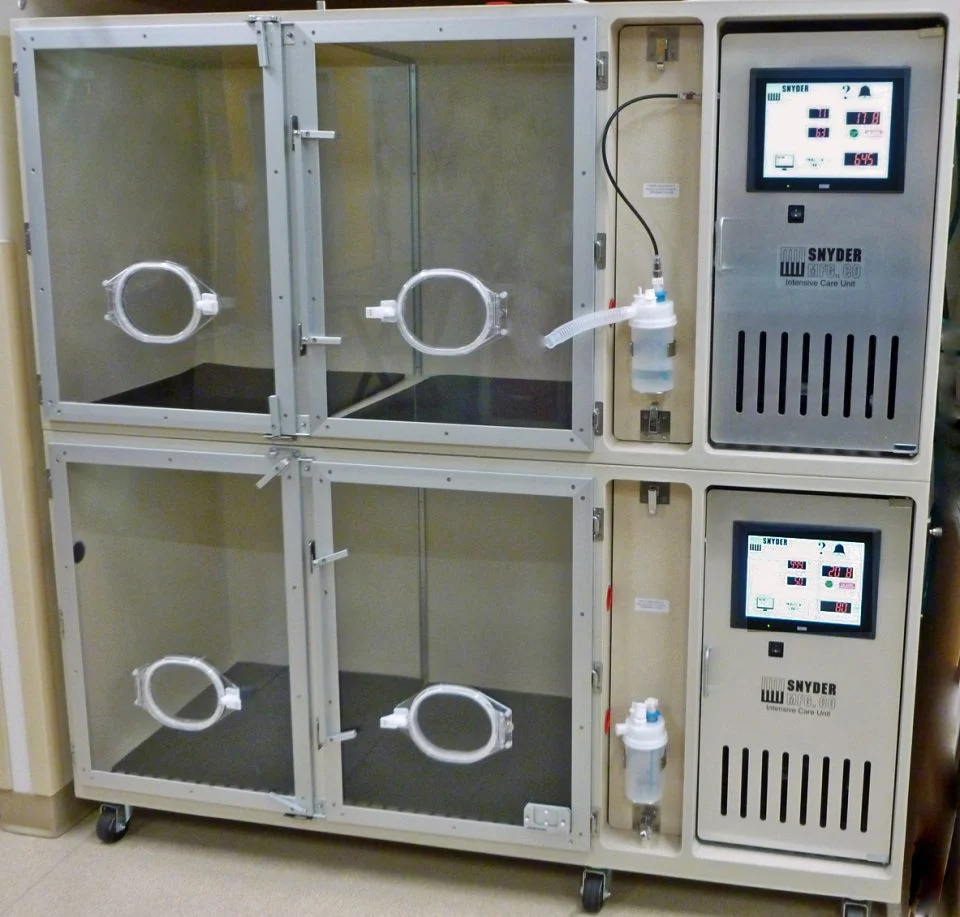
Most protocols target 40-60% FiO2 for short-term stabilization. Concentrations above 60% sustained for several hours can cause oxygen toxicity. Always monitor with an integrated sensor and adjust flow accordingly.
Flow rates vary by patient size and delivery method. Nasal cannulas typically require 50-100 mL/kg/min. Cage fill rates vary by cage volume. A standard 10 kg dog receiving flow-by delivery may require 2-5 LPM to maintain therapeutic levels.
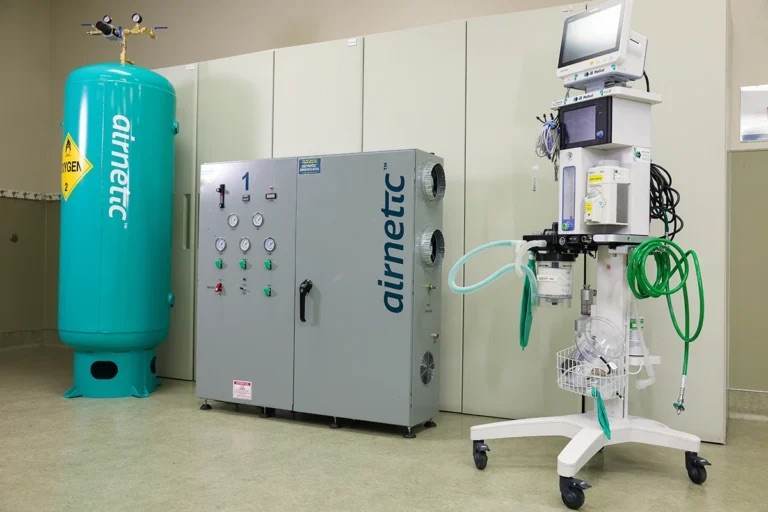
A regulator reduces high cylinder pressure to a safe working pressure. A flowmeter controls the rate of gas delivery to the patient. Both are required when using compressed gas cylinders.
Generators should be serviced per manufacturer guidelines, typically annually. Cylinder pressure should be checked before each use. FiO2 sensors in oxygen cages require periodic calibration. Flowmeters should be tested for accuracy regularly.
In the U.S., medical oxygen is regulated as a drug by the FDA. Cylinders fall under DOT regulations. Facilities should follow AVMA guidelines and any applicable state veterinary board requirements. Storage areas for compressed gas must comply with NFPA 99 or OSHA standards.
A single high-quality generator paired with one or two E-cylinders for backup is a practical and cost-effective setup for most small practices. This combination covers both routine therapy and emergency situations.
Flow-by oxygen involves holding a mask or tubing near the animal's face without a tight seal. It is used with fractious, dyspneic, or highly stressed patients who would not tolerate a tight-fitting mask. It delivers lower FiO2 than sealed interfaces but causes less distress.
Yes. Oxygen cages are particularly effective for birds and small exotics. Flow rates and cage sizing must be adjusted for the patient. Some species have different respiratory physiology, so consult species-specific guidelines when setting target FiO2 levels.
A practical checklist includes: verified oxygen source (generators or cylinder), functional flowmeter with appropriate range, delivery interface options (mask, cannula, cage), SpO2 monitor, FiO2 sensor for cage use, cylinder pressure gauge, and documented backup plan.


